Of everything the McKenzie River corridor offers, nothing draws visitors quite like Blue Pool — the place where the river, after vanishing underground into an ancient lava flow, reappears in a rock bowl of water so improbably turquoise that first-time visitors routinely assume the photos are edited. They aren't. The pool is spring-fed, glass-clear, and genuinely that blue.
We host Blue Pool hikers all season at Vida View Retreat, about 40 minutes down the highway, and this is the briefing we give our guests — the trail, the timing, the safety realities, and how to build the rest of the day around it.
What Is Blue Pool?
Upstream of Tamolitch, the McKenzie River disappears — swallowed by porous lava fields laid down by Cascade eruptions roughly 1,600 years ago. For about three miles the riverbed above ground sits dry (except in the highest water), while the river filters through the rock below. At Tamolitch, it re-emerges: cold, filtered, and intensely blue, welling up into a cliff-ringed pool at the base of a usually-dry waterfall. "Tamolitch" comes from a Chinook word for bucket, which is exactly what the rock formation looks like.
The color comes from the water's purity and depth — filtered through miles of lava, it carries almost no sediment, so it scatters light the way glacier pools do.
The Trail: What to Expect
- Route: out-and-back along the McKenzie River National Recreation Trail from the Tamolitch trailhead near Trail Bridge Reservoir, off Highway 126.
- Distance: roughly 4 miles round trip.
- Difficulty: easy to moderate — mostly gentle riverside grade, with a rockier, rootier lava section in the final stretch. Good shoes matter more than fitness here.
- Time: plan 2–3 hours including time at the pool.
- Facilities: minimal. No water at the trailhead — bring your own, plus layers; the canyon stays cool even in summer.
The hike itself is a highlight, not just a means to an end: the trail follows the river through old-growth Douglas fir and crosses moss-covered lava flows, with the water audible almost the whole way — until it isn't, which is your signal that you're walking above the buried river.
When to Go (and When Not To)
Blue Pool's popularity is the one thing that can dent the experience. On summer weekends the trailhead parking fills early in the morning, and midday sees a steady procession on the trail.
- Best: weekday mornings, late spring through fall. Arrive before 9 a.m. on any summer day.
- Most vivid color: midday light makes the turquoise glow — so an early start that puts you at the pool late morning is the sweet spot.
- Winter: beautiful and nearly empty, but check conditions first — snow can close the highway sections and make the lava rock treacherous.
Staying on the river the night before is the honest cheat code: from Vida you can be at the trailhead before the day-trippers from Eugene and Bend arrive.
The Safety Talk (Please Read This One)
Every year people are seriously hurt at Blue Pool, almost always the same way: jumping from the cliffs. Here's what the postcard doesn't tell you:
- The water is 37–40°F year-round. That's cold enough to cause involuntary gasping and cold-water shock within seconds — even for strong swimmers.
- Depth is deceptive. The clarity makes the pool look shallow. Parts are deep; parts near the edges are not. People have broken bones misjudging it.
- Rescue is far away. You're miles up a trail in a canyon with no cell service. Serious injuries here become long, complicated evacuations.
Enjoy the pool from the rim, take the photos, eat your sandwich, and save the swimming for the warmer, gentler water downstream — ideally the stretch behind your own lodging, with an inner tube and nowhere to be.
"See Blue Pool from the rim in the morning. Float the warm side of the river from your own bank in the afternoon. That's the perfect McKenzie day."
Make a Day of It: What's Nearby
The upper corridor rewards a full day. Within a short drive of the Tamolitch trailhead:
- Sahalie & Koosah Falls — two thundering waterfalls connected by a short loop trail, minutes up Highway 126. Arguably the best effort-to-spectacle ratio in the Cascades.
- Clear Lake — the McKenzie's source, with a submerged 3,000-year-old forest visible beneath the surface.
- Belknap Hot Springs — mineral pools on the riverbank for post-hike soaking. See our hot springs guide.
- The McKenzie River Trail — the full 26-mile National Recreation Trail, repeatedly named among the best mountain bike rides in America.
For the complete list, see our 20 best things to do on the McKenzie River.
Where to Stay Near Blue Pool
There's very little lodging near the trailhead itself — the upper corridor is national forest. Most visitors stay along the river between McKenzie Bridge and Vida, or drive out from Eugene or Bend (about 1.5–2 hours each way, which makes for a long day).
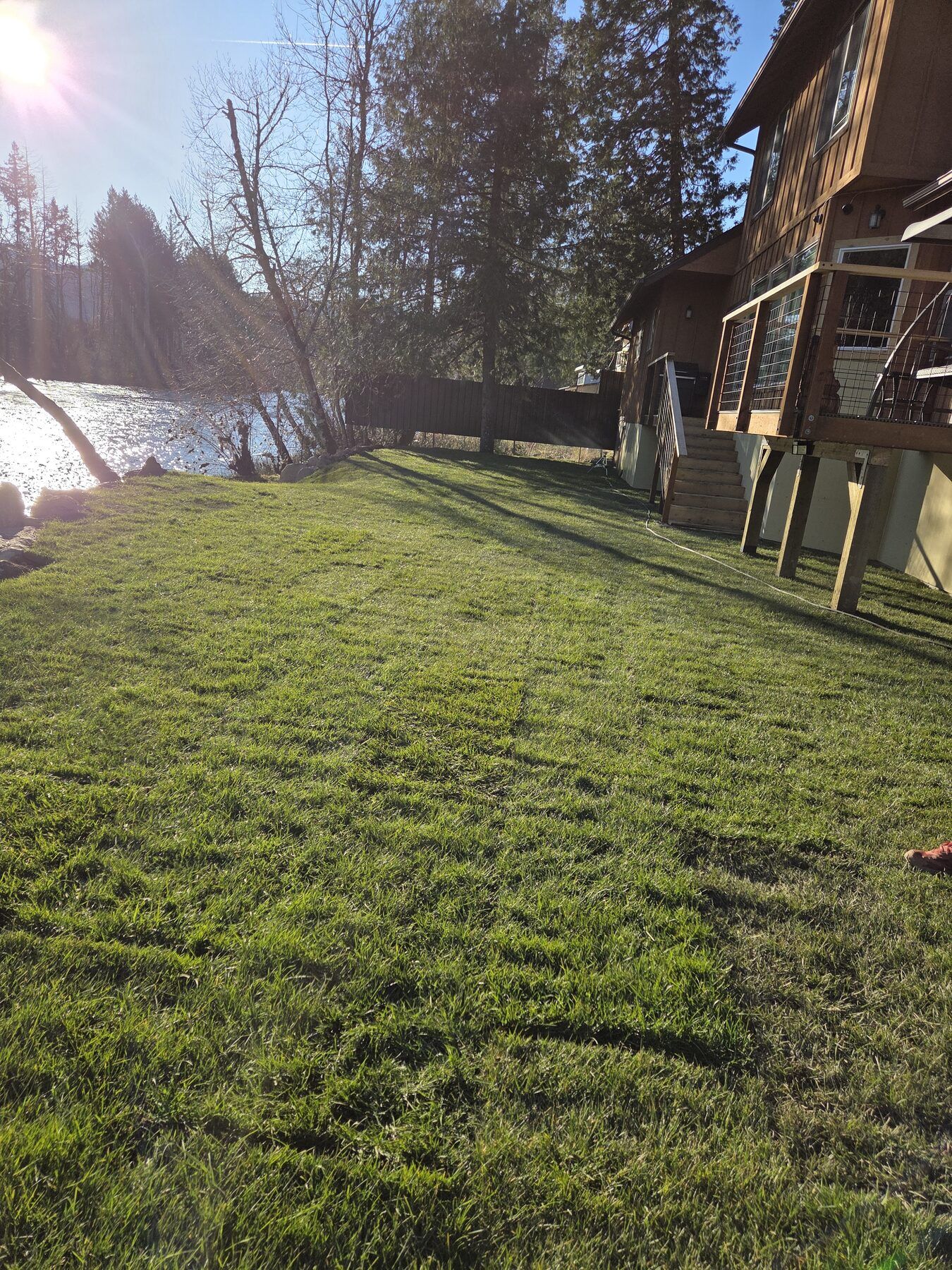
Vida View Retreat sits about 40 minutes from the trailhead, directly on the river in Vida — close enough for that early start, far enough downriver that you return to warmth: a heated pool, Finnish sauna, riverside hot tubs, and 750 feet of private river frontage. Three-night stays at The River Front House include paddleboards and inner tubes — so the day after Blue Pool, you experience the same river from the water instead of the trail. Compare all the corridor's lodging options in our where to stay guide.
Frequently Asked Questions
How long is the Blue Pool hike?
Roughly 4 miles round trip from the Tamolitch trailhead near Trail Bridge Reservoir — 2 to 3 hours for most hikers, including time at the pool.
Can you swim in Blue Pool?
The water is 37–40°F year-round, cold enough for cold-water shock, and cliff jumping has caused serious injuries far from help. Enjoy it from the rim.
When should I arrive?
Before 9 a.m. on summer days — the trailhead parking fills early on weekends. Weekday mornings are the quiet window.
Where should I stay?
On the river. Vida View Retreat is about 40 minutes from the trailhead with pool, sauna, hot tubs, and paddleboards included with three-night stays at The River Front House.